When my supplier switches to hourly pricing,
I want to shift my washing machine and dryer into the cheapest hours automatically,
so I can save money without setting an alarm to do laundry at 2am.
When I’m not sure the app is actually working,
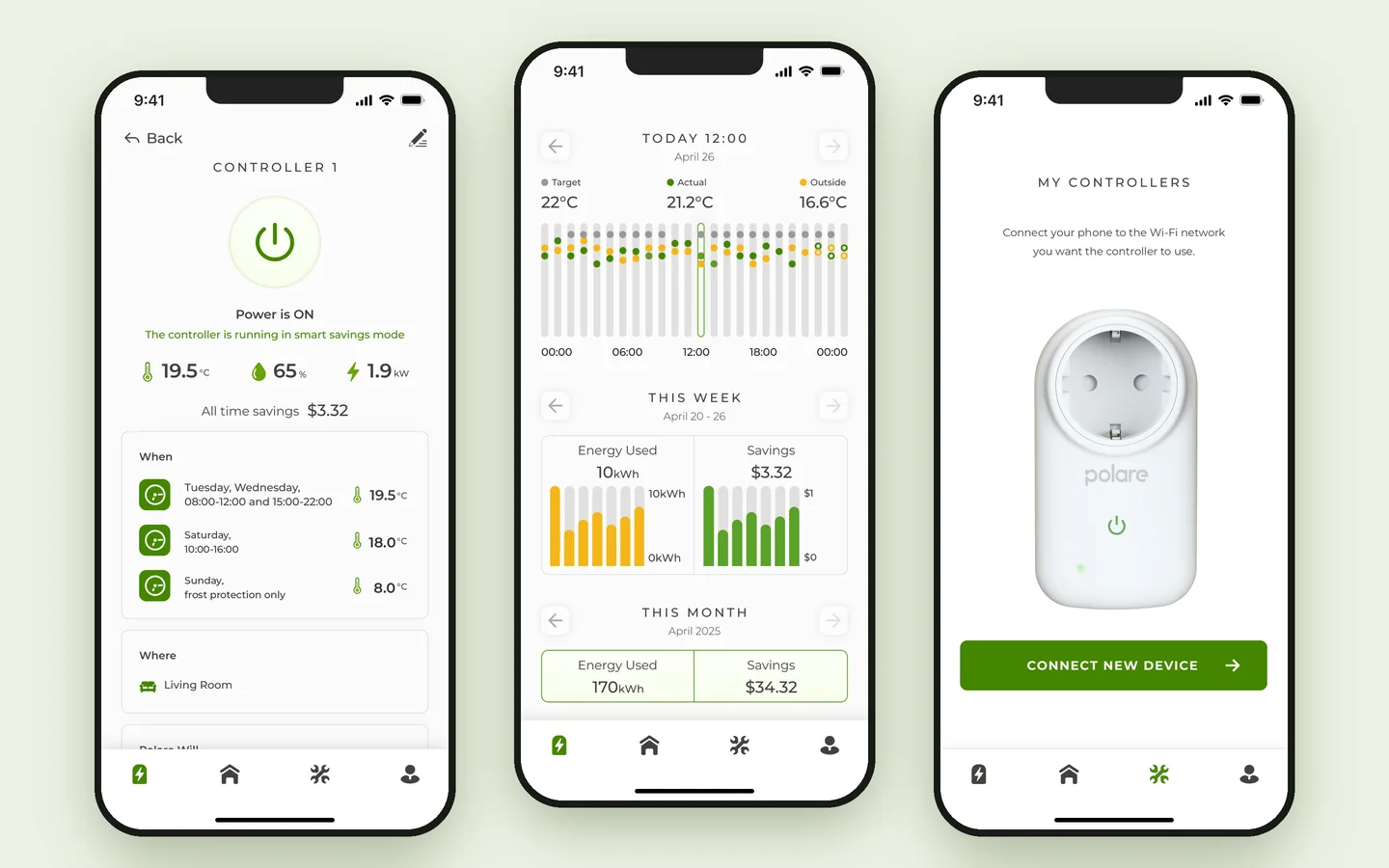
I want to see, in plain numbers, what shifting my usage saved me this week,
so I can trust the automation enough to stop double-checking it.
When I need the dishwasher running right now, price or no price,
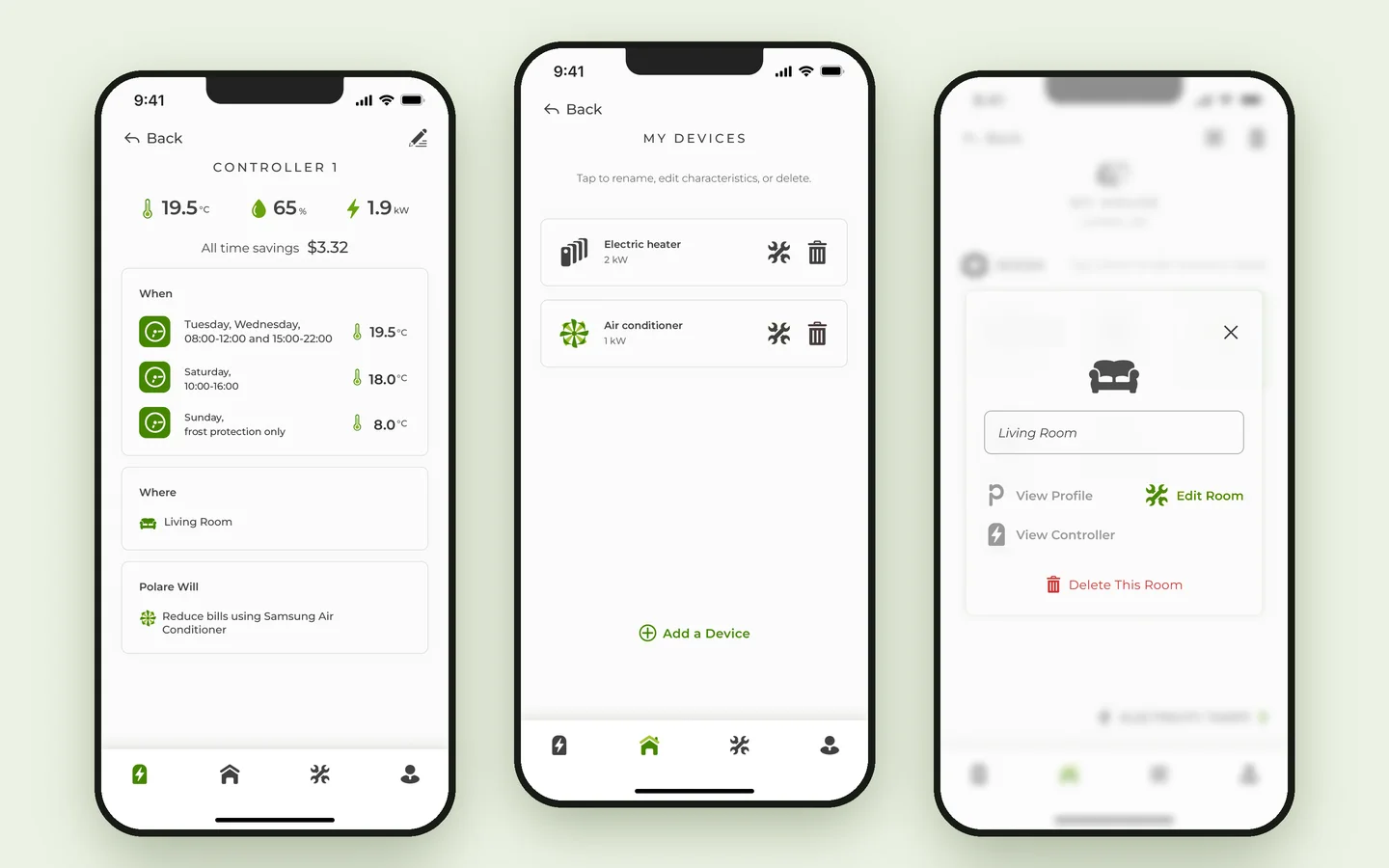
I want to override the schedule with one tap,
so I can stay in control instead of fighting the app.
When I’m setting this up for the first time,
I want to get a device running in a couple of minutes without reading a manual,
so I can feel it was worth buying before I’ve even used it.
When a smart-home product asks for more setup than I expected,
I want to get real value on the very first day, not after a week of configuration,
so it doesn’t become another abandoned gadget in the drawer.
The last job reflects a well-documented pattern in the category: independent research (Parks Associates, cited by Strata-gee, 2024) names setup complexity, not price, as the leading reason smart-home devices go unused after purchase.